
Use Case
ASSET TRACKING FOR MANUFACTURING, WAREHOUSING, & LOGISTICS
Asset tracking technology gives you the power to instantly locate, monitor, & optimize your resources. Reduce search times, streamline & automate operations, & maintain full control over your inventory & processes with real-time location systems.
Other Use Cases: Forklift Tracking | Material Flow Tracking | Intralogistics | Yard Management | More Use Cases
Indoor & Outdoor Asset Tracking for Industrial Environments
Benefits of Asset Tracking with RTLS
-
Save Time and Increase Productivity
- Streamline Operations: Implement real-time asset tracking to eliminate search times and focus your team on high-value tasks
- Automate Identification: Reduce manual work with automated asset identification, freeing up your workforce for critical activities
-
Cut Costs and Protect Assets
- Reduce Resource Use: Improve asset visibility to cut unnecessary spending and enhance resource utilization
- Secure Your Investments: Leverage continuous monitoring to prevent theft and misplacement, protecting your valuable assets
-
Maximize Space Utilization
- Optimize Layout: Use asset tracking to enhance space efficiency, eliminating bottlenecks and improving facility utilization
- Efficient Inventory Management: Prevent overstocking and stockouts with real-time inventory tracking, ensuring materials are always available when needed
Example Uses for
Asset Tracking
-
Fixed or Mobile Asset Tracking
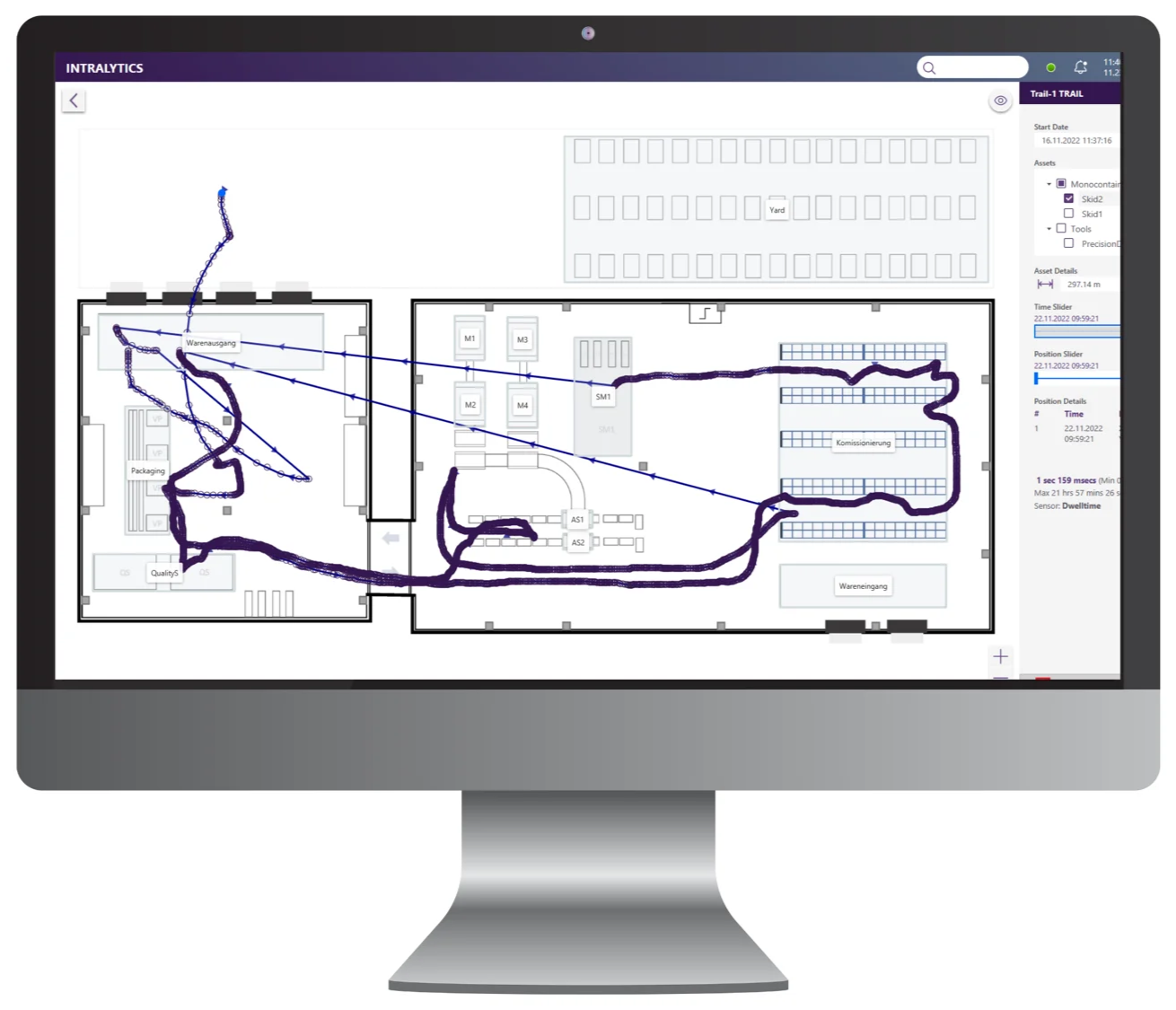
Efficiently track tools, materials, and components in real-time, so your team always knows where everything is and can find it quickly. Whether managing fixed assets like heavy machinery or mobile assets like vehicles, this approach eliminates long search times and optimizes production management.
-
Workflow and Process Monitoring
Real-time tracking of asset movement throughout the production process allows for immediate identification and resolution of process deviations. This ensures smooth operations and minimizes downtime.
-
Security and Loss Prevention
Prevent asset losses through real-time tracking and implement enhanced security measures, such as automated gate controls based on asset movement. These strategies protect valuable assets and reduce the risk of theft. -
Fleet Management
Track the location, status, and utilization of vehicle fleets in real-time to optimize routes, reduce fuel consumption, and enhance overall operational efficiency. This leads to cost savings and improved fleet performance. -
Employee Safety Monitoring
Track employee locations in real-time, particularly in hazardous environments, to ensure their safety. In case of emergencies, quick response is enabled by knowing the exact location of each worker. -
Tracking Material Handling Equipment
Monitor the real-time location and status of material handling equipment like forklifts and pallet jacks to optimize allocation and usage. This enhances operational efficiency and reduces equipment idle time. -
Tool and Equipment Tracking
Track tools and equipment across large facilities to ensure they are always available when needed. This reduces losses and improves accountability by monitoring who is using which tools and where they are located. -
Asset Tracking in the Yard
Monitor the real-time location and movement of assets across large outdoor yards, ensuring efficient tracking of vehicles, containers, and equipment. This enhances yard operations by reducing search times, optimizing space utilization, and preventing asset misplacement or loss.
How Asset Tracking Works with Inpixon RTLS
"Inpixon's location technology is indispensable in enhancing the operations of our mining clients. It provides 24/7 location visibility for asset tracking and collision avoidance for vehicles and pedestrians. Integrating seamlessly into our Smart Mine platform, it offers exceptional accuracy and signal robustness, enabling our clients to make informed decisions that improve safety and efficiency. Our customers' operations are more transparent, and workforce safety has significantly increased. In particular, Inpixon’s Chirp technology is an innovative, life-saving solution upon which our clients depend daily."
Mark Stevens | Chief Innovation Officer, Schauenburg Systems
"Working with Inpixon's Chirp is a no-brainer as it allows the integration of a wide range of applications within our IMAGINETM solution suite. These applications, including asset tracking, collision awareness, ventilation on demand, traffic management and many more, increase safety and productivity for the mining industry while contributing to the reduction of greenhouse gases."
KIM VALADE | GENERAL MANAGER, MEGLAB
Asset Tracking Award
“The award honors excellence in innovation utilizing IoT technologies to automate the asset tracking functions to increase efficiencies, reduce theft, or optimize utilization of the asset.”
Asset Tracking Software & Devices
-
RTLS Platform and Seamless Data Integration into ERP
Inpixon's RTLS platform ensures real-time forklift tracking, boosting supply chain visibility. This technology-agnostic solution automates processes, providing actionable insights for strategic decisions and optimizing overall equipment effectiveness. Seamlessly integrating data from various RTLS technologies and IoT sources into ERP, MES, and WMS systems, it streamlines operations for efficient forklift tracking and operational excellence.
-
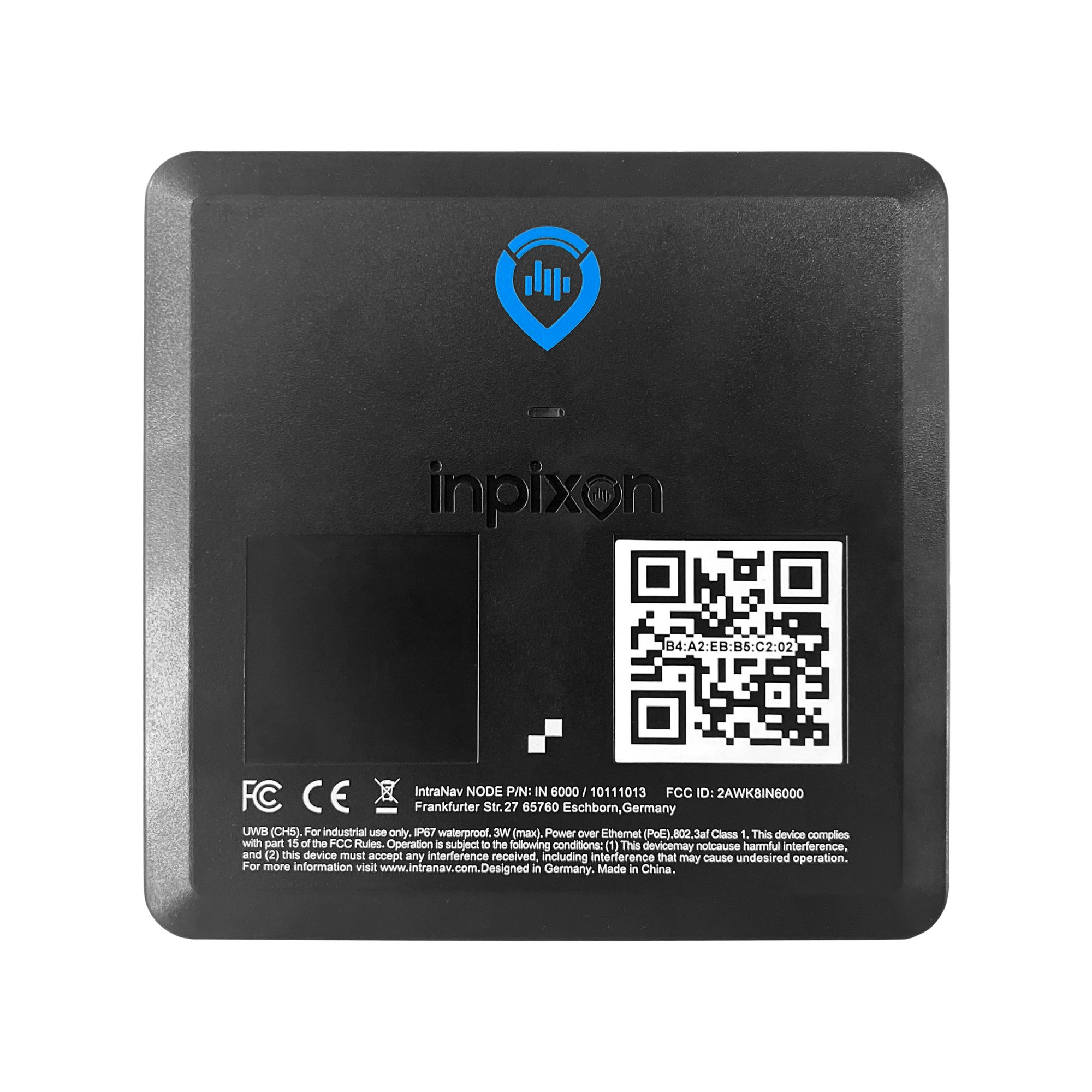
RTLS Anchors
RTLS anchors are radio-frequency (RF) readers that deploy in fixed positions to detect and locate signals from transmitting RTLS tags and devices. For example, in environments like smart factories, businesses will use anchors in real-time location systems to detect and locate transmitting tags carried by workers, powering critical safety use cases such as collision avoidance or safety zoning. They’ll also track tags attached to key assets like production equipment, vehicles, and inventories to support enterprise asset management, automation, workflow optimization, and more.
-
Asset Tracking Tags
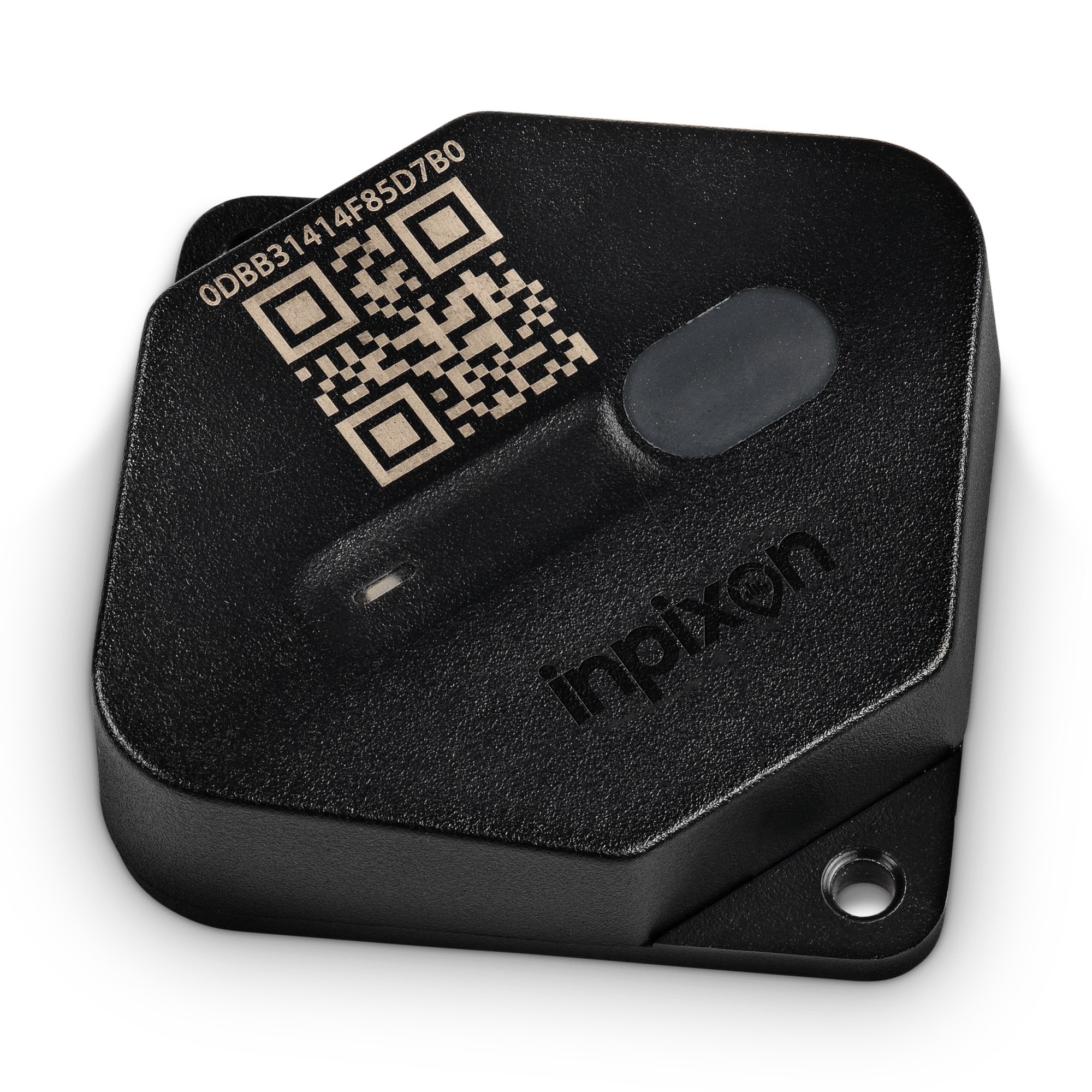
The AssetTAG Compact is a durable ultra-wideband (UWB) asset tracking tag that enables real-time location tracking in RTLS environments with ±40 cm accuracy. Featuring an RGB LED indicator and programmable button on the face of the tag, this tag is both versatile and robust and allows businesses to track critical assets throughout large facilities.
-
Vehicle Tracking Tags
Inpixon’s vehicle tags provide real-time transport vehicle tracking that extends indoors (UWB, Chirp) and outdoors (GPS, Chirp). Monitor, streamline, and optimize transport processes for forklifts, AGVs, trucks, and other vehicles with Inpixon’s vehicle tags and multi-RF technology suite. Operate with unmatched speed, safety, and efficiency with real-time visibility of your transport fleet.
-
RFID & QR-Code
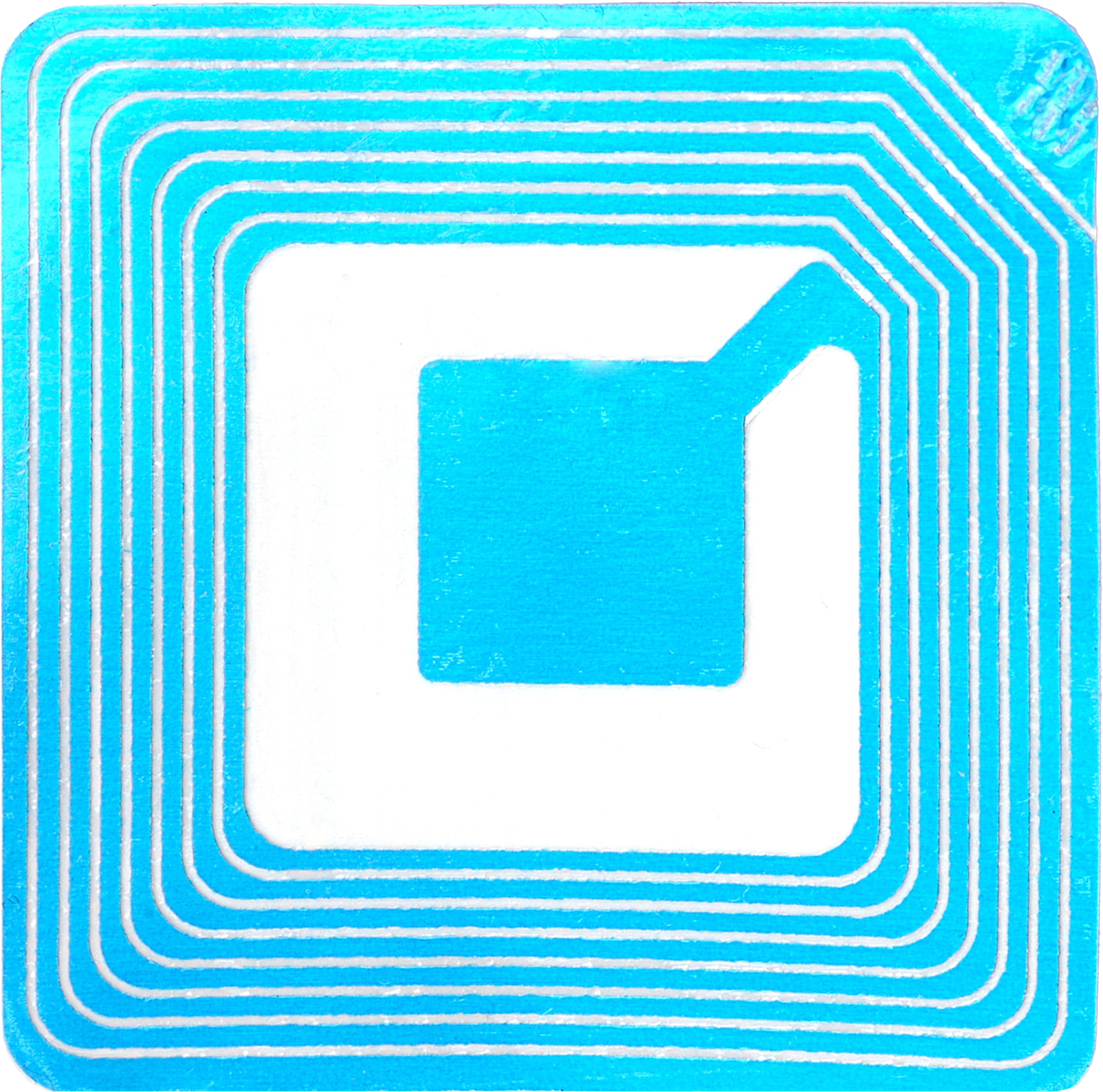
RFID and QR codes are both technologies used for product identification. QR codes require a direct line of sight to the scanner, making them simple and cost-effective, but they are manual and can be time-consuming to scan individually. They are particularly useful in applications like block storage, where low-cost identification of individual items or pallets is sufficient, and a direct line of sight is easily maintained.
In contrast, RFID enables automatic, contactless identification (Auto-ID) of objects without the need for a direct line of sight, significantly increasing efficiency. RFID can also be effectively combined with other technologies like UWB or Chirp for more precise location solutions, making it highly versatile for various industrial applications.
Asset Tracking FAQs
-
What is asset tracking?
Asset tracking refers to the method of monitoring and managing physical assets, such as equipment, vehicles, or inventory, throughout their lifecycle. This process involves using Real-Time Location System (RTLS) technology, such as UWB (Ultra-Wideband), Chirp, LiDAR, and others, to track the location, status, and condition of assets in real-time. The main goals of asset tracking include ensuring asset security, optimizing asset utilization, reducing losses, and improving operational efficiency by providing accurate data on asset whereabouts and performance. This system is commonly used in industries like (intra-)logistics, manufacturing, supply chain, or mining.
-
Is the Inpixon asset tracking solution designed for large projects?
Yes, the Inpixon RTLS platform is designed to be scalable to handle very large facilities, even multiple buildings over far-flung geographies. Most customers start with a particular portion of one facility and then grow their system to address additional areas, buildings, and use cases.
-
What does your tracking solution cost?
Pricing is primarily driven by three factors: 1) the size of the area to be covered, 2) the number of entities tracked, and 3) the technology chosen to support the accuracy requirements of the use case.
Inpixon Location as a Service (LaaS) offers a hassle-free RTLS deployment in a subscription model – an all-inclusive service, with regular maintenance and ongoing support, all covered by a straight-forward monthly fee.
- Inpixon assesses assets/people, coverage, and location accuracy needs.
- The comprehensive Inpixon package includes hardware, software, layout design, mapping, installation, integrations, commissioning, monitoring, maintenance, training, and more.
- Inpixon ensures accurate asset tracking throughout the subscription duration.
-
Can the data from track and trace be integrated into other IT systems?
Yes, data captured by Inpixon RTLS can be seamlessly linked with various third-party systems. Inpixon’s open, standardized approach to RTLS integration empowers you to seamlessly connect your real-time location system with the tools you already use. Leverage open APIs, industry-standard protocols (like MQTT and CoAP), and support for IoT and PLC integration to effortlessly bridge your RTLS with ERP, WMS, MES, SAP®, and more. If desired, you can even build your own application on top of Inpixon RTLS with streamlined app development and quick time to deployment.
-
Are both edge and Cloud deployments possible with your solution?
Yes, our solution supports edge, Cloud, and even hybrid deployments. We provide flexible implementation options to meet the requirements of your specific infrastructure and preferences.
-
What are the best practices to evaluate an RTLS solution and to ensure it will meet my needs now and in the future?
To ensure success for your specific use case, consider the following:
- Flexible Architecture: Choose an asset tracking system with a flexible architecture that can adapt to changes in your business environment and scale seamlessly.
- Cloud-Based Solutions: Opt for cloud-based asset tracking solutions that offer scalable storage and processing capabilities. Cloud platforms can easily accommodate growing data volumes.
- All-in-One Solution: Opt for an all-in-one solution that integrates both software and hardware seamlessly. This ensures compatibility, simplifies deployment, and streamlines the overall scalability process.
- Scalable Hardware: Ensure that the tracking hardware, such as sensors and gateways, is designed to scale with your needs. Check if additional devices can be integrated easily.
- Modular Approach: Select a system that follows a modular approach, allowing you to add or upgrade components incrementally as your tracking requirements expand.
- API Support: Look for systems with robust API support. Application Programming Interfaces (APIs) enable integration with other systems and can contribute to scalability.
- Vendor Support and Expertise: Choose a vendor with a track record of supporting scalable deployments, like Inpixon. Vendor expertise can be crucial in ensuring successful scaling of the system.
- Real-World Case Studies: Review case studies from organizations with similar scaling requirements. This can provide insights into how the system performs in real-world scenarios.
- Upgradability: Verify if the asset tracking system can be easily upgraded with new features or capabilities to meet evolving business needs.
- Customization Options: Ensure the system allows for customization to adapt to the specific nuances of your industry and use case as your operations grow.
-
How can I get started with asset tracking?
To get started with asset tracking, you can reach out to our team for a consultation. We will assess your business needs, recommend the appropriate technologies, and help you implement a solution that delivers quick ROI.